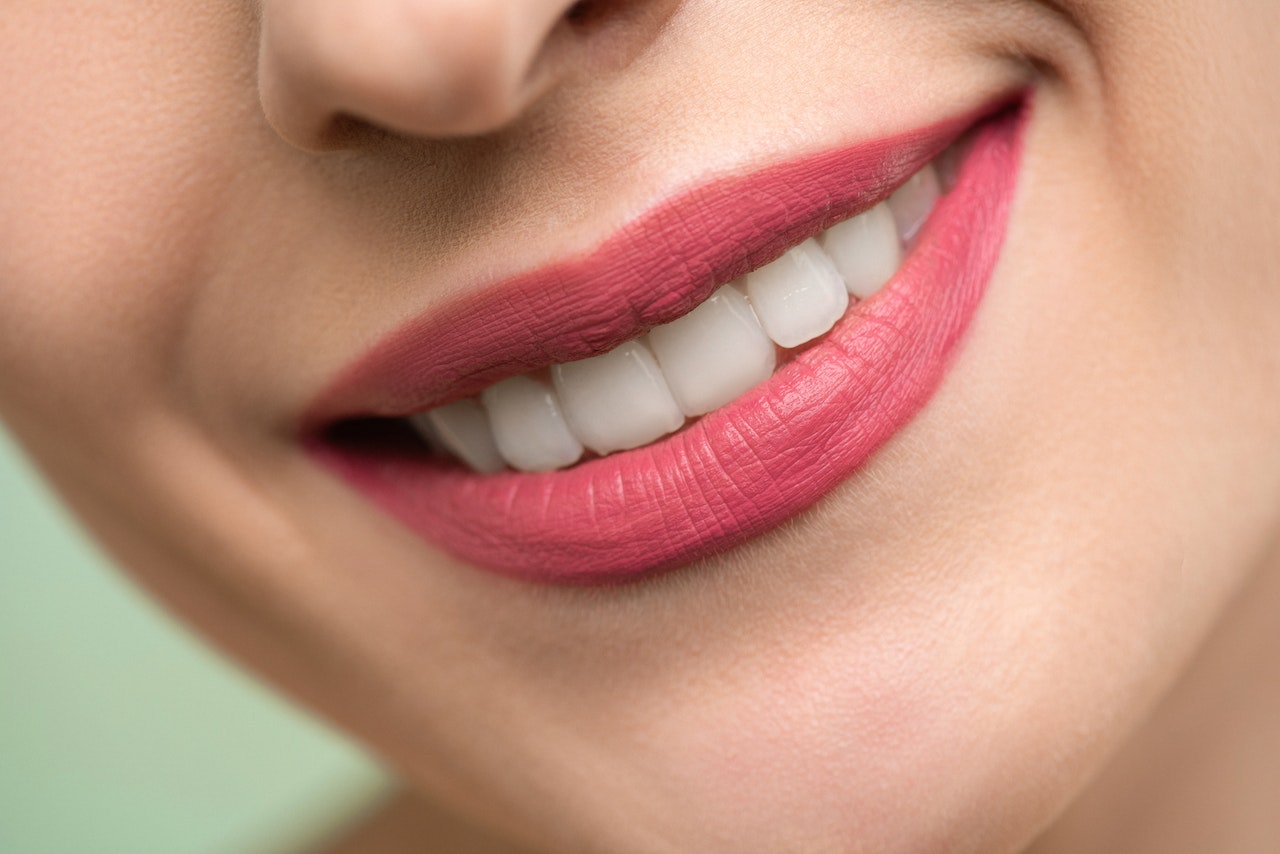
Everything You Need to Know About Teeth Whitening in Selby
Teeth naturally vary in colour, and very few people have the bright white smile often shown in edited photographs and advertising. Teeth can also become darker or more stained with age, smoking and regular consumption of drinks such as tea, coffee and red wine.
Professional teeth whitening can lighten the colour of natural teeth, but it is important to choose treatment that is suitable for your mouth and provided under appropriate dental supervision.
A dental examination before whitening allows your dentist to check for decay, gum problems, cracks, sensitivity and existing restorations that could affect the result. It also gives you an opportunity to discuss what can realistically be achieved.
What Is Teeth Whitening?
Teeth whitening is a cosmetic dental treatment that uses a bleaching agent to lighten the colour of natural tooth tissue.
It can help reduce the appearance of some discolouration associated with:
- Natural ageing
- Tea and coffee
- Red wine
- Smoking
- Certain foods and drinks
- Some types of staining within the teeth
Whitening changes tooth colour rather than physically removing part of the enamel. It does not reshape teeth, close gaps, straighten crowded teeth or repair chips.
Park Street Dental Practice provides dentist-supervised whitening using a tray system. More information is available on the practice’s teeth whitening page.
Why Do Teeth Become Discoloured?
Tooth discolouration can develop on the surface of the teeth or within the tooth structure itself.
Surface Staining
Surface stains can accumulate through smoking and frequent consumption of strongly coloured food and drink. Tea, coffee and red wine are common examples.
Some surface staining may improve following professional cleaning, particularly when the natural tooth colour underneath has not changed significantly.
Changes Within the Tooth
Teeth can naturally become darker as people grow older. Discolouration may also develop following trauma, changes within the dental pulp, certain medicines or differences in how the enamel formed.
These colour changes may respond differently to whitening. Your dentist can assess the likely cause and explain whether conventional whitening is expected to help.
How Does Dentist-Supervised Tray Whitening Work?
With a dentist-prescribed tray system, impressions or digital scans are used to create whitening trays that fit closely around your teeth.
Your dentist will provide a whitening gel and explain:
- How much gel to place in each tray
- How often to wear the trays
- How long each application should last
- How to clean and store the trays
- What to do if sensitivity develops
You then use the trays at home for the recommended period. The colour normally changes gradually rather than after one application.
Following the instructions is important. Using more gel than recommended will not necessarily produce a better result and may increase gum irritation or sensitivity.
Why Do You Need a Dental Examination First?
Whitening should only begin after a dentist has checked that the treatment is appropriate for you.
The examination may identify:
- Untreated tooth decay
- Cracked or damaged teeth
- Gum disease
- Exposed roots
- Existing tooth sensitivity
- Leaking or damaged fillings
- Crowns, veneers or fillings that will not change colour
Whitening a painful or unhealthy tooth will not treat the underlying problem. Decay, infection or gum disease may need to be managed before cosmetic treatment begins.
The dentist can also determine whether the discolouration is likely to respond to whitening or whether another treatment would be more suitable.
Is Teeth Whitening Legal in the UK?
Tooth whitening is legally considered a dental treatment in the UK. It should be prescribed by a registered dentist and carried out by an appropriately registered dental professional.
Whitening offered independently by an unregistered beautician, salon or other non-dental provider is not a legal alternative to dental treatment.
Before proceeding, you can check whether the person providing treatment is registered with the General Dental Council.
Can Teeth Whitening Damage Enamel?
Whitening prescribed and supervised by a dental professional is intended to lighten teeth without removing enamel. The dentist will assess your mouth, provide an, provide an appropriate product and explain how it should be used.
Problems are more likely when unsuitable products are used, instructions are ignored or whitening is carried out without an appropriate dental assessment.
Do not exceed the recommended wearing time or continue using the gel more frequently in an attempt to speed up the result.
Contact your dentist if you develop significant discomfort, gum irritation or another unexpected symptom during treatment.
Does Teeth Whitening Cause Sensitivity?
Temporary tooth sensitivity is a recognised side effect of whitening. You may notice a short, sharp sensation when consuming cold, hot or sweet food and drink.
Some people experience little or no sensitivity, while others find it more noticeable. It will often settle after treatment is paused or completed, but this cannot be guaranteed for every patient.
Your dentist may recommend:
- Using the trays less frequently
- Reducing the length of each application
- Taking a short break from treatment
- Using a toothpaste formulated for sensitive teeth
- Applying a suitable desensitising product
Do not assume that all sensitivity is caused by whitening. Persistent pain, sensitivity affecting one tooth or discomfort when biting may indicate decay, a crack or another dental problem.
Can Whitening Irritate the Gums?
Whitening gel can irritate the gums when too much is placed in the tray or when the tray does not fit correctly.
A well-fitting tray helps keep the gel in contact with the teeth while limiting unnecessary contact with the surrounding tissues.
Use only the amount your dentist recommends. Wipe away any excess that spreads onto the gums and contact the practice if irritation continues.
Will Whitening Work on Crowns and Fillings?
Whitening only lightens natural tooth tissue. It does not change the colour of:
- Composite fillings
- Crowns
- Veneers
- Bridges
- Dentures
- Implant crowns
This can create a colour mismatch if a restoration is visible when you smile. Your dentist should identify existing dental work and discuss how whitening may affect the overall appearance.
In some cases, a visible restoration may be replaced after whitening so it can be matched to the new tooth colour. This involves additional treatment and cost, so it should be considered before whitening begins.
Information about other appearance-focused treatments is available on the cosmetic dentistry page.
Can Everyone Have Teeth Whitening?
Teeth whitening is not suitable for every patient. Treatment is not normally provided to anyone aged 17 or younger and is not recommended during pregnancy or breastfeeding.
It may also need to be delayed or avoided if you have:
- Untreated tooth decay
- Active gum disease
- Severe or unexplained sensitivity
- Cracked or damaged teeth
- Loose or leaking fillings
- Extensive crowns, veneers or other visible restorations
Some types of discolouration may not respond predictably to conventional whitening. Your dentist can explain the likely result and any suitable alternatives.
Do Shop-Bought Whitening Kits Work?
Whitening products are available from pharmacies, supermarkets and online retailers, but they do not all provide the same treatment or level of supervision.
Some products contain relatively low concentrations of whitening ingredients and may have a limited effect. Poorly fitting generic trays can also allow gel to spread onto the gums.
Products bought from unknown online sellers may be incorrectly labelled, unsuitable or contain ingredients that should not be used without professional oversight.
Professional treatment includes an examination, customised advice and a way to seek help if side effects develop. These safeguards are not necessarily included with an off-the-shelf product.
What About Whitening Strips?
Whitening strips are thin pieces of material coated with whitening gel. Their effectiveness will depend on the product, ingredients, strength and how evenly they contact the teeth.
Strips may not fit closely around crowded, rotated or uneven teeth. This can lead to an inconsistent result, with some areas lightening more than others.
They also do not remove the need for a dental assessment. Whitening strips cannot diagnose decay, gum disease or the reason one tooth is darker than the others.
Do Whitening Toothpastes Change Tooth Colour?
Whitening toothpastes may help remove some surface staining through polishing ingredients. They do not normally produce the same bleaching effect as professional whitening gel.
Some products are more abrasive than standard toothpaste. Frequent aggressive brushing with an abrasive product may contribute to tooth wear or sensitivity.
Choose a fluoride toothpaste and avoid scrubbing heavily. Ask your dentist or hygienist for advice if you are unsure whether a particular product is suitable.
Should You Use Baking Soda or Other Home Remedies?
Online whitening suggestions may include baking soda, charcoal, lemon juice, vinegar and other household products.
Acidic substances such as lemon juice and vinegar can soften and erode enamel. Abrasive powders may remove surface staining but can also wear the tooth surface when used repeatedly or aggressively.
Once enamel has been physically lost, it does not grow back. Avoid experimenting with unregulated products or harsh household ingredients in an attempt to whiten your teeth.
Why Might Whitening Produce Uneven Results?
Teeth do not always begin at the same colour. One tooth may be darker because of previous trauma, root canal treatment or a change inside the tooth.
White spots, bands and variations in enamel can also become more noticeable temporarily while whitening is taking place.
The final result can be influenced by:
- The original colour of the teeth
- The cause of the discolouration
- Existing restorations
- How consistently the trays are used
- The concentration of the prescribed gel
- Individual response to treatment
Whitening aims to produce a lighter natural shade, not a particular artificial white or an identical result for every patient.
How Long Do Whitening Results Last?
Teeth whitening is not permanent. The colour can gradually darken again as the teeth continue to age and encounter staining food, drinks and tobacco.
How long the result lasts varies between patients. You may help maintain it by:
- Brushing twice daily with fluoride toothpaste
- Cleaning between the teeth each day
- Avoiding smoking
- Limiting frequent strongly coloured drinks
- Rinsing with water after tea, coffee or red wine
- Attending dental and hygiene appointments when recommended
Do not repeatedly restart whitening without speaking to your dentist. They can advise whether further treatment is appropriate and how much gel should be used.
How Much Does Professional Whitening Cost?
Teeth whitening is a private cosmetic treatment and is not normally available through the NHS.
Costs can vary depending on the whitening system and what is included. Park Street Dental Practice publishes the current charge for its tray whitening system on the dental fees page.
Ask whether the quoted fee includes the assessment, customised trays, whitening gel, review appointments and any future top-up products.
Arrange a Teeth Whitening Consultation in Selby
Professional teeth whitening can lighten natural teeth, but the result will depend on the cause of the discolouration and the condition of your mouth.
A consultation allows the dentist to check your teeth and gums, identify restorations that will not whiten and explain the likely benefits, limitations and possible side effects.
To ask about professional teeth whitening at Park Street Dental Practice in Selby, visit the contact page.