What Happens If You Skip Dental Check-Ups?
It can be easy to postpone a dental check-up when your teeth feel comfortable. Work, family commitments, nervousness or the cost of treatment may all make an appointment seem less urgent when there is no obvious pain.
However, many dental problems develop gradually. Tooth decay, gum disease and damage to existing dental work may not cause noticeable symptoms in their early stages. Regular check-ups give your dentist an opportunity to assess changes, offer preventative advice and discuss treatment before a problem becomes more difficult to manage.
Missing one appointment does not mean that something will immediately go wrong. The concern arises when check-ups are repeatedly delayed and developing problems remain unnoticed.
Why Are Routine Dental Check-Ups Important?
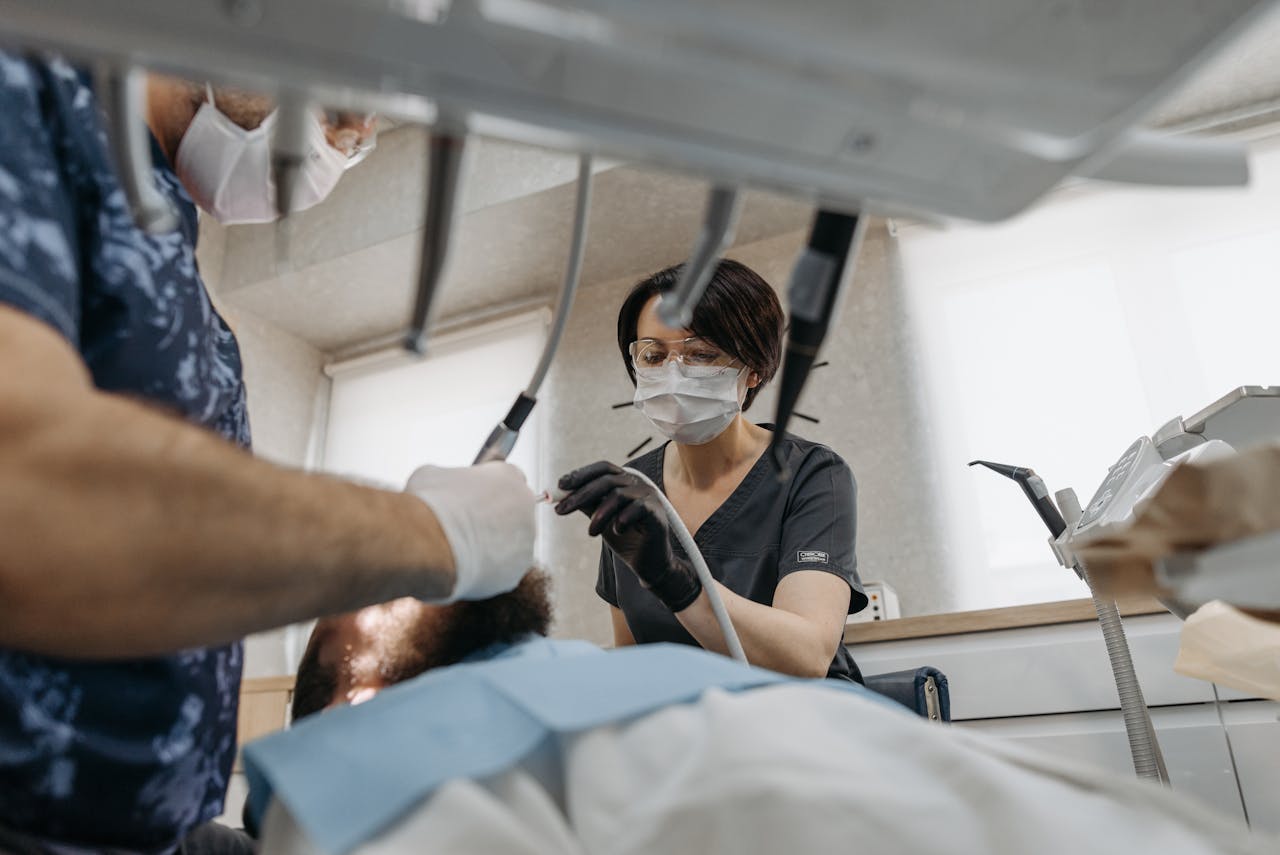
A dental check-up is an assessment of your teeth, gums and the surrounding tissues of your mouth. Your dentist may also ask about your general health, medication, diet, cleaning routine and any changes you have noticed since your previous visit.
Depending on your needs, an appointment may include:
- Checking for signs of tooth decay
- Assessing the condition of your gums
- Examining fillings, crowns, bridges or dentures
- Looking for chips, cracks or worn teeth
- Checking the tongue, lips, cheeks and other soft tissues
- Discussing sensitivity, discomfort or changes to your bite
- Providing personalised preventative advice
X-rays may be recommended when clinically necessary, but they are not automatically required at every appointment. You can learn more about routine examinations and treatments on the practice’s general dentistry page.
Early Tooth Decay May Not Cause Pain
Tooth decay can begin without causing obvious discomfort. You may not see or feel a small area of decay, particularly when it develops between teeth or beneath an existing restoration.
As decay progresses, symptoms can include sensitivity to hot, cold or sweet foods, toothache, visible discolouration or part of the tooth breaking away. By this stage, the tooth may require more extensive treatment than it would have needed earlier.
When a problem is identified promptly, your dentist can assess whether it should be monitored or treated. Depending on its location and severity, the recommended approach might include changes to your fluoride or dietary routine, a dental filling or another appropriate treatment.
If decay reaches the centre of the tooth, root canal treatment or extraction may sometimes be required. Regular examinations cannot prevent every dental problem, but they improve the opportunity to identify changes before pain develops.
Gum Problems Can Develop Gradually
Bleeding gums are sometimes dismissed as normal, but regular bleeding can be a sign of inflammation. Other possible signs of gum disease include redness, swelling, persistent bad breath, gum recession and tenderness when brushing.
Early gum disease is often associated with plaque collecting around the gum line. Without appropriate care, inflammation can progress and affect the tissues supporting the teeth.
More advanced gum disease may cause:
- Gums pulling away from the teeth
- Spaces developing between teeth
- Persistent unpleasant breath or taste
- Teeth beginning to move or feel loose
- Discomfort when chewing
A dental examination allows your gum health to be assessed and monitored. Your dentist may recommend improvements to your home routine, professional hygiene care or further periodontal assessment depending on what they find.
Existing Fillings and Crowns May Deteriorate
Fillings, crowns, bridges and other restorations are designed to protect or replace damaged teeth, but they do not necessarily last forever. Everyday biting forces, grinding, decay and general wear can affect them over time.
A restoration may begin to loosen, crack or develop a small gap around its edge without producing immediate pain. This can allow plaque and food debris to collect in an area that is difficult to clean.
During a check-up, your dentist can assess existing dental work and compare any changes with previous appointments. Not every ageing restoration needs to be replaced immediately, but monitoring it can help the dental team intervene when treatment becomes necessary.
Small Chips and Cracks Can Become Larger
A small chip may initially feel like little more than a rough edge. However, weakened teeth can sometimes fracture further when exposed to repeated pressure.
Teeth may be more vulnerable if they contain a large filling, have been affected by decay or are exposed to clenching and grinding. Your dentist can look for signs of wear or damage and discuss ways to protect the tooth.
Early assessment does not guarantee that treatment will be simple, but it can prevent a concern from being ignored until part of the tooth breaks or pain develops.
Changes in the Mouth May Go Unchecked
A dental examination is not limited to the teeth. Your dentist also checks areas such as the tongue, gums, cheeks, lips and other soft tissues for unusual changes.
Most ulcers, sore areas and changes inside the mouth are not caused by anything serious. However, certain symptoms should be assessed rather than left until your next planned check-up.
Contact a dentist or GP if you notice:
- A mouth ulcer that has lasted for more than three weeks
- A persistent red or white patch
- A lump in the mouth, lip, neck or throat
- Ongoing pain that does not improve
- Difficulty swallowing or speaking
- Unexplained bleeding or numbness
Arranging an assessment does not mean that a serious condition is suspected. It allows the cause to be investigated and any necessary referral to be made promptly.
You May Miss Useful Preventative Advice
Dental check-ups are also an opportunity to discuss what you can do between visits. Advice can be adapted to your teeth, gums, medical history and current level of risk.
Your dentist may discuss:
- Brushing technique and fluoride toothpaste
- Cleaning between your teeth
- Diet and the frequency of sugary foods and drinks
- Bleeding gums or plaque build-up
- Dry mouth and its possible causes
- Smoking and alcohol consumption
- Cleaning around crowns, bridges, implants or dentures
- Protecting teeth from grinding or sporting injuries
Small changes to your routine can make it easier to control plaque and reduce avoidable risks. Further guidance is available through Park Street Dental Practice’s preventative dentistry services.
Will Skipping Check-Ups Lead to a Dental Emergency?
Missing an appointment does not automatically result in an emergency. However, an untreated problem may eventually cause pain, swelling, infection or a broken tooth that requires urgent attention.
Emergency treatment often focuses first on relieving pain and controlling the immediate problem. Further appointments may then be needed to provide a longer-term solution.
Routine care offers more time to discuss available options and plan treatment. It can also reduce the likelihood of first discovering a problem when it has already become painful, although no schedule can eliminate every dental emergency.
How Often Should You Have a Dental Check-Up?
Not everyone needs a check-up every six months. Your recommended interval should reflect your individual risk of developing dental problems.
Factors that may affect how frequently you are advised to attend include:
- Your current tooth and gum health
- Your history of decay or gum disease
- Your age and stage of dental development
- Smoking and dietary habits
- Dry mouth or certain medical conditions
- The condition of existing dental work
- How effectively plaque is controlled at home
Some patients may be advised to return after a few months, while adults with stable oral health may be given a considerably longer interval. Children are generally reviewed more frequently than low-risk adults.
Follow the interval recommended by your dentist rather than assuming that the same schedule is suitable for everyone.
What If You Have Not Been to the Dentist for Years?
Feeling embarrassed or worried about returning is common. Some patients delay booking because they fear being criticised or assume that they will need extensive treatment.
Your first appointment should focus on understanding your current oral health. The dentist will ask about your concerns, examine your mouth and explain their findings. If treatment is recommended, the available options, priorities and costs should be discussed before it begins.
You do not need to solve every issue at once. Where several treatments are required, they can often be arranged in stages according to clinical urgency and an agreed treatment plan.
Let the practice know if you feel nervous. You can ask for explanations throughout the examination, request pauses and discuss what would make the appointment easier for you.
Do Not Wait for a Routine Appointment If You Have Symptoms
A future check-up should not be used as a reason to delay seeking advice for an active dental problem. Contact a dental practice sooner if you develop significant toothache, swelling, dental trauma, a broken tooth or signs of infection.
You should also seek prompt advice for persistent bleeding, a loose adult tooth or an unexplained change inside the mouth.
The practice team can ask about your symptoms and advise whether you need a routine, urgent or emergency appointment.
Arrange a Dental Check-Up in Selby
Regular dental check-ups help monitor changes that may be difficult to see or feel at home. They also give you an opportunity to discuss concerns, receive tailored advice and make informed decisions about any treatment you may need.
If you have missed an appointment or have not visited a dentist for some time, the next step is simply to arrange an assessment. To enquire about an appointment at Park Street Dental Practice in Selby, please visit the contact page.