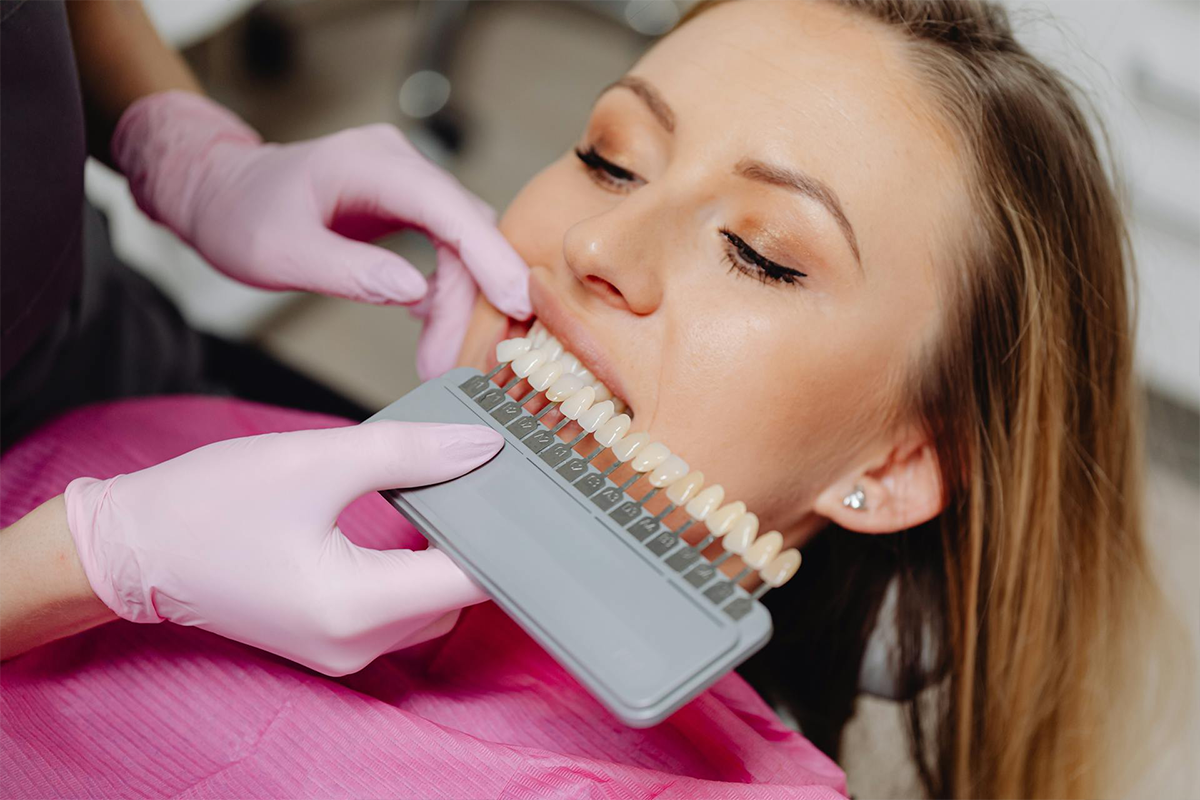
Is teeth whitening bad for your teeth?
Teeth whitening is one of the most popular cosmetic dental treatments for patients who want a brighter smile. But if you are thinking about whitening, it is natural to ask an important question: is teeth whitening bad for your teeth?
The short answer is that professional teeth whitening is not considered bad for your teeth when it is carried out safely, by a qualified dental professional, and after your teeth and gums have been properly assessed. Problems are more likely when whitening is done too often, with unsuitable products, without dental supervision, or when there are existing dental issues that should be treated first.
At Park Street Dental Practice, patients are supported by an experienced and educated team who can explain whitening clearly and check whether treatment is suitable. The practice is known for friendly care, strong patient feedback and helping patients make informed decisions about cosmetic dental treatment.
Is Teeth Whitening Safe?
Teeth whitening can be safe when it is provided by a dentist or by another registered dental professional working to a dentist’s prescription. NHS guidance states that using a kit from a dentist, or having whitening carried out at a dental surgery, is the safest way to whiten teeth.
This is because whitening products use strong chemicals that need to be used correctly. A dental professional can check your mouth first, protect your gums, explain how to use the whitening system and help reduce the risk of sensitivity or irritation.
You can find out more about professional whitening options on the teeth whitening page.
Can Teeth Whitening Damage Enamel?
Professional whitening should not damage healthy enamel when it is used correctly and under dental supervision. Whitening gel works by breaking down stains within the tooth structure, rather than scrubbing away the surface of the tooth.
However, unsafe whitening can cause problems. Overusing whitening products, using unregulated treatments, applying the wrong strength of gel or whitening teeth when there are untreated dental issues can increase the risk of sensitivity, gum irritation or uneven results.
Why a Dental Check Is Important Before Whitening
A dental check before whitening helps make sure the treatment is suitable for your teeth and gums. Your dentist can look for decay, gum disease, cracks, leaking fillings, sensitivity and existing dental work that may affect the result.
If there are active dental problems, these may need to be treated before whitening begins. Whitening over untreated decay or gum inflammation can make symptoms worse and may not give the result you want.
Can Teeth Whitening Cause Sensitivity?
Yes, teeth whitening can cause temporary sensitivity for some patients. This may feel like a short, sharp sensation when drinking something cold, breathing in cool air or eating certain foods.
Sensitivity is usually temporary, but it should still be taken seriously. If you already have sensitive teeth, your dentist can advise whether whitening is suitable and may recommend ways to reduce discomfort before, during or after treatment.
Can Whitening Irritate the Gums?
Whitening gel can irritate the gums if it comes into contact with the soft tissues. This is one reason professional supervision matters. Dentist-provided whitening trays are designed to fit your mouth more closely, helping keep the gel where it should be.
If your gums feel sore, burn, turn white, bleed or feel uncomfortable during whitening, stop using the product and contact your dentist for advice.
Is At-Home Teeth Whitening Safe?
At-home whitening can be safe when it is provided by a dentist and used exactly as instructed. Dentist-supervised whitening usually involves custom trays and professional advice on how much gel to use, how long to wear the trays and what to do if sensitivity develops.
At-home whitening bought online or from non-dental providers can be risky. Products may be unsuitable, ineffective or unsafe, and the person providing them may not be qualified to check your oral health first.
Who Can Legally Provide Teeth Whitening?
In the UK, the General Dental Council explains that tooth whitening is the practice of dentistry. This means it should only be carried out by registered dental professionals. If someone is not registered with the GDC and offers tooth whitening, they may be breaking the law.
This rule exists to protect patients. A dental professional is trained to assess whether whitening is suitable, identify dental problems first and reduce the risk of harm.
What About Whitening Toothpaste?
Whitening toothpaste can help remove some surface staining, but it will not usually change the natural colour of your teeth in the same way as professional whitening. Some whitening toothpastes are more abrasive than standard toothpaste, so they should be used carefully and as directed.
If you have sensitive teeth, gum recession, enamel wear or exposed roots, ask your dentist before using whitening products. A gentler approach may be more suitable.
Do Crowns, Fillings or Veneers Whiten?
No. Teeth whitening works on natural tooth structure, but it will not whiten crowns, fillings, veneers, bridges or dentures. This is important if you have visible dental work near the front of your smile.
If you whiten your natural teeth, existing restorations may no longer match. Your dentist can explain what to expect and may suggest planning whitening before replacing visible restorations, if replacement is needed.
If you are considering wider smile improvements, you can also learn more about cosmetic dentistry.
When Might Teeth Whitening Not Be Suitable?
Teeth whitening is not suitable for everyone. It may not be recommended if you have untreated decay, gum disease, severe sensitivity, cracks, leaking fillings or certain types of staining that whitening will not improve.
NHS guidance also states that teeth whitening is not done for people aged 17 or younger, or for people with unhealthy teeth or gums. A consultation helps confirm whether whitening is safe and appropriate for you.
How to Whiten Teeth Safely
The safest way to whiten teeth is to speak to a dentist first. They can check your oral health, explain whether whitening is suitable and provide a treatment plan that is appropriate for your mouth.
To keep whitening safe, follow your dentist’s instructions carefully, do not overuse whitening gel, avoid unregulated products, report sensitivity if it becomes uncomfortable and keep up with routine dental appointments.
How Park Street Dental Practice Can Help
Park Street Dental Practice can help patients understand whether teeth whitening is suitable and what results may be realistic. The team will assess your teeth and gums, answer your questions and explain the safest route for brightening your smile.
With an experienced team, strong five-star feedback and a friendly approach, the practice aims to make cosmetic dental care clear, safe and reassuring.
Ask About Teeth Whitening
So, is teeth whitening bad for your teeth? Professional whitening is not considered bad for healthy teeth when it is carried out safely and under dental supervision. The key is to avoid shortcuts and make sure your teeth and gums are checked first.
To ask about teeth whitening or arrange an appointment, visit the contact page and get in touch with Park Street Dental Practice.