A Guide to Children’s Dental Care: Establishing Good Habits Early
Healthy dental habits are easiest to establish when they begin early. Brushing twice a day, limiting how frequently children consume sugar and attending regular dental appointments can all help protect their teeth as they grow.
Baby teeth eventually fall out, but they still have several important jobs. They help children bite and chew food, support speech development and maintain space for the adult teeth developing underneath.
Decay in a baby tooth can cause pain, disturbed sleep and difficulty eating. In some cases, it can also lead to infection or the need for dental treatment at a young age. Caring for children’s teeth from the beginning can reduce these risks and help dental visits become a familiar part of everyday healthcare.
When Should Children First Visit the Dentist?
Children should begin visiting a dentist when their first teeth appear. There is no need to wait until they have a complete set of baby teeth or develop a dental problem.
Early appointments are usually short and straightforward. They allow the dentist to check how the teeth are developing, discuss brushing and diet, and answer any questions a parent or carer may have.
These visits also give children an opportunity to become familiar with the dental practice before they need treatment. Sitting in the chair, meeting the team and having their teeth counted can make future appointments feel more normal and less intimidating.
Start Brushing From the First Tooth
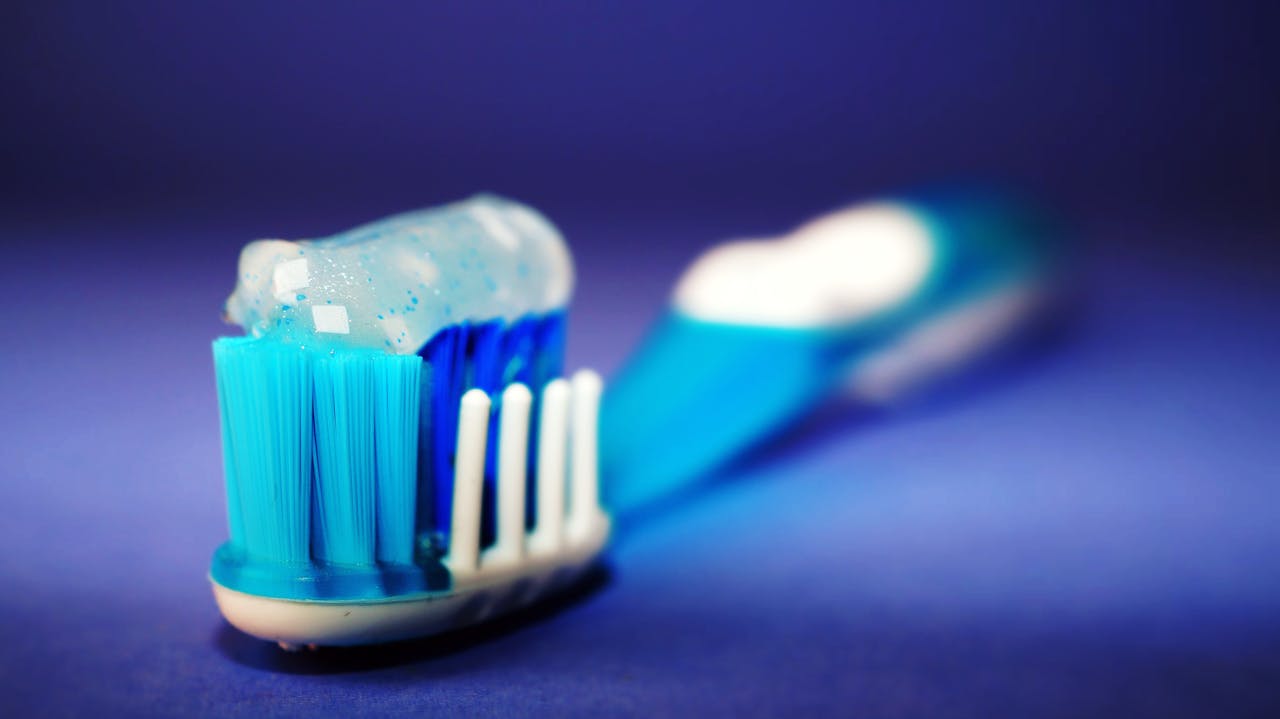
Begin brushing as soon as your child’s first milk tooth comes through. Use a small toothbrush with a head that fits comfortably inside their mouth.
Children’s teeth should be brushed twice a day:
- Last thing at night before bed
- On one other occasion during the day
Bedtime brushing is particularly important because saliva production reduces during sleep. Saliva helps neutralise acids and protect the teeth, so leaving plaque and food around the teeth overnight can increase the risk of decay.
Try to make brushing part of a predictable morning and evening routine. It does not need to feel perfect at first. Helping a baby or toddler become accustomed to the toothbrush is an important first step.
How Much Toothpaste Should Children Use?
Children should use a fluoride toothpaste because fluoride helps strengthen teeth and protect them against decay.
- Children under three: use a small smear of toothpaste containing at least 1,000 parts per million of fluoride.
- Children aged three to six: use a pea-sized amount of fluoride toothpaste.
- Older children: use a standard family toothpaste containing between 1,350 and 1,500 parts per million of fluoride, unless their dentist advises otherwise.
The fluoride concentration is printed on the toothpaste packaging, usually alongside the letters “ppm”.
Encourage children to spit out the excess toothpaste after brushing but not to rinse immediately with water. Rinsing washes away fluoride that would otherwise remain on the teeth for longer.
Keep toothpaste out of reach when it is not being used and supervise younger children so they do not eat it directly from the tube.
How Long Do Children Need Help With Brushing?
Young children do not usually have the coordination needed to clean every tooth properly without assistance. Parents and carers should help or supervise brushing until at least the age of seven, and for longer if the child still regularly misses areas.
A child may appear confident holding a toothbrush but still struggle to reach the back teeth, inner surfaces and gum line. Letting them brush first and then completing the cleaning yourself can encourage independence without leaving plaque behind.
One useful position is to stand or sit behind your child while gently supporting their head. This can give you a clearer view of the teeth and make it easier to guide the brush.
Making Toothbrushing Easier
Not every child accepts brushing immediately. Resistance is common, particularly among toddlers or children who dislike the taste, texture or sensation.
Keep the Routine Consistent
Brush at approximately the same times each day and connect it with familiar activities, such as getting dressed or reading a bedtime story. Consistency helps children understand that brushing is a normal part of the day rather than an optional task.
Use a Timer or Song
A two-minute timer, short song or toothbrushing app can make the routine more engaging. It also gives children a clear indication of when brushing will finish.
Offer Limited Choices
Allow your child to choose between two suitable toothbrushes or fluoride toothpastes. A small amount of choice can help them feel more involved without making brushing negotiable.
Brush Together
Children learn by watching adults. Brushing your own teeth alongside them can demonstrate the technique and reinforce that everyone in the family follows the same routine.
Ask for Advice if Brushing Is Difficult
Some children have sensory, physical or developmental needs that make brushing particularly challenging. A dentist or hygienist can suggest different toothbrushes, positions, flavours or ways to introduce brushing gradually.
How Sugar Affects Children’s Teeth
When bacteria in dental plaque come into contact with sugar, they produce acids that attack the tooth surface. Saliva helps the mouth recover, but frequent sugary snacks and drinks create repeated acid attacks throughout the day.
How often sugar is consumed is therefore just as important as how much is eaten.
Try to keep sweets, cakes, biscuits and other sugary foods to mealtimes rather than offering them as frequent snacks. This gives the teeth longer periods to recover between exposures.
Avoid giving children sugary food or drinks after they have brushed their teeth at night.
Choosing Drinks for Children
Water and plain milk are the most tooth-friendly everyday drinks for children.
Fizzy drinks, flavoured milk, sweetened squash, juice drinks and many sports drinks can contain considerable amounts of sugar. Some are also acidic, which can contribute to enamel erosion as well as decay.
Even unsweetened fruit juice and smoothies contain free sugars and acids. These are best limited to mealtimes and served in a small amount rather than placed in a bottle or cup for prolonged sipping.
Babies should not be put to bed with a bottle containing milk, juice or another sweetened drink. Once teeth have been brushed at night, water is the safest drink to offer.
Tooth-Friendly Snack Ideas
Suitable snacks between meals may include:
- Cheese
- Plain yoghurt
- Vegetable sticks
- Whole fresh fruit
- Toast or savoury crackers with no added sugar
- Unsalted nuts for children old enough to eat them safely
Dried fruit can be sticky and concentrated in sugar. It is better included as part of a meal rather than offered repeatedly as a snack.
Products marketed specifically for children are not always low in sugar. Checking the food label can help you compare cereals, yoghurts, snack bars and drinks.
More advice about reducing the risk of decay is available through Park Street Dental Practice’s preventative dentistry services.
What Happens at a Child’s Dental Check-Up?
The content of an appointment will depend on the child’s age, confidence and dental needs. The dentist may:
- Count and examine the teeth
- Check for early signs of decay
- Assess the gums and soft tissues
- Look at how the teeth and jaws are developing
- Ask about brushing and fluoride toothpaste
- Discuss food and drink habits
- Check for concerns such as grinding or dental injuries
- Recommend an appropriate time for the next visit
X-rays are only taken when they are clinically necessary. A child does not automatically need them at every appointment.
The frequency of dental visits should be based on the child’s oral health and risk of future problems. Children with active decay or other concerns may need more frequent reviews than those with consistently healthy teeth.
Further information about routine examinations is available on the practice’s general dentistry page.
Fluoride Varnish
Fluoride varnish is a concentrated fluoride treatment painted onto the surfaces of the teeth by a trained dental professional. It helps strengthen the enamel and reduce the risk of tooth decay.
It can be used on both baby and adult teeth. How frequently it is offered will depend on the child’s age, oral health, risk of decay and current professional guidance.
The dental team will explain the treatment, check that it is suitable and provide instructions about eating, drinking and brushing afterwards.
Fissure Sealants
The biting surfaces of permanent back teeth contain natural grooves known as fissures. These grooves can be difficult to clean and may collect plaque and food.
A fissure sealant is a thin protective coating placed over these grooves. It creates a smoother surface that is easier to keep clean and can reduce the risk of decay developing in vulnerable teeth.
Sealants are not automatically required on every tooth. The dentist will consider the shape of the tooth, the child’s history of decay and their individual level of risk before recommending treatment.
Helping Children Feel Comfortable at the Dentist
Children often take cues from the adults around them. Talking about the dentist calmly can help prevent unnecessary anxiety.
Try to avoid phrases such as “it will not hurt” or warnings about injections and drilling. Even when intended to reassure, these words may introduce worries the child had not previously considered.
Instead, explain that the dentist will count and check their teeth and help keep them healthy. Keep the description simple and allow the dental team to explain any procedures in age-appropriate language.
You can also make the visit easier by:
- Choosing a time when your child is usually rested
- Avoiding rushing to the appointment
- Bringing a familiar comfort item if appropriate
- Letting the practice know about previous difficulties or additional needs
- Avoiding promises of sugary rewards afterwards
Never use a dental appointment as a threat or punishment. The aim is to help children see oral care as a normal and positive part of looking after themselves.
What if a Child Damages a Tooth?
Falls, sports and playground accidents can result in chipped, loosened or knocked-out teeth. Contact a dentist promptly following a dental injury, even when the child does not appear to be in significant pain.
If part of a tooth has broken away, place the fragment in milk or saliva and take it to the appointment. A dentist may be able to reattach it in some circumstances.
A knocked-out adult tooth requires urgent dental attention. Hold it by the crown rather than the root, avoid scrubbing it and seek immediate professional advice.
A knocked-out baby tooth should not be pushed back into place because doing so could damage the developing adult tooth underneath.
When Should Parents Contact a Dentist?
Arrange dental advice if your child has:
- Toothache or pain when biting
- Swelling of the face, mouth or gums
- White, brown or black marks on a tooth
- A chipped, cracked or loose tooth
- Bleeding or swollen gums
- Persistent sensitivity
- Difficulty eating or sleeping because of discomfort
- An ulcer or unusual change that is not healing
Do not wait for the next routine check-up if your child is in pain or has signs of infection. The practice can advise whether a routine or urgent appointment is appropriate.
Arrange a Children’s Dental Appointment in Selby
Good children’s dental care begins with small, consistent habits. Brushing with fluoride toothpaste, limiting frequent sugar and introducing positive dental visits can all help protect a child’s teeth as they grow.
Park Street Dental Practice provides routine and preventative dental care for families in Selby. To ask about registering your child or arranging an appointment, visit the contact page.